
"La Paz"
500 article(s) found

Introduction to the characteristics of Bolivian Coffee Manor with vanilla flavor
Bolivia was conquered by Spain at the end of the 15th century and became a Spanish colony in 1538, historically known as Peru, belonging to the governor district of La Plata, Spain. Bolivia was rescued from independence by Bolivar, a national hero from Caracas, Venezuela, during the War of Independence in Latin America in the 18th century, so the country was named after him. On August 6, 1825, it was announced that

The overall taste is rich and balanced, the aroma is rich and unique Bolivian coffee flavor, characteristics, taste and
Bolivia is a landlocked country in central South America, bounded by Brazil in the northeast, Paraguay in the southeast, Argentina in the south, Chile in the southwest and Peru in the west. The main topography is the plateau. Bolivia is the highest plateau country in the world, with an average elevation of more than 3000 meters. La Paz, the capital, is as high as 3660 meters above sea level, which is known as the highest capital in the world. Three points in Bolivia

Honduran Taste Flavor Honduran Coffee Features
Professional barista exchanges, please pay attention to coffee workshop (Weixin Official Accounts cafe_style ) In Honduras, coffee producing areas are divided into six major producing areas, namely Santa Barbara, El Paraiso, Copan, La Paz, Comayagua and Olancho.

Bolivian Coffee Flavor description Grinding characteristics introduction of High-quality Coffee beans in producing areas
We know that Arabica coffee cannot be grown in cold places above 2000 meters above sea level. if the altitude is too high, coffee trees will frost because the temperature is too low. So Bolivian coffee is mainly grown in the Yungas region northeast of La Paz. It borders the Amazon basin and is about 1500-2500 meters above sea level with an average annual temperature of about 10-15 ℃. Therefore, guarantee

Types and characteristics of Bolivian coffee beans
In the past, coffee trees in Bolivia used to act as hedges and ornaments around the garden. Real commercial production began in the early 1950s. The great frost of 1957 seriously damaged Brazil's coffee industry, while Bolivia (Bolivia) benefited from it and developed rapidly. Bolivian coffee is grown at an altitude of 180,670 meters above sea level.

Kaddura flavor description of Honduran coffee with mixed aroma quality characteristics of taste grinding carving
In Honduras, coffee producing areas are divided into six major producing areas, covering the west and south, namely, Santa Barbara (Santa Barbara), Perry request (El Paraiso), Koban (Copan), Bazi (La Paz) and Gongmayagua (Comayagua) and Olan Qiu (Olanc).

Introduction of Bolivian Coffee Flavor description, Grinding degree, Variety characteristics, Price and taste
In 1932, the Chaco War broke out between Bolivia and Paraguay for oil resources in the North Chaco region. Bolivia was defeated and lost a large area of territory. The people's armed uprising broke out in April 1952, and Paisdensolo, leader of the nationalist revolutionary movement, became president. Since then, there have been frequent military coups and long-term political instability. Modern assets with South American characteristics were restored in October 1983

Taste and Flavor description of Honduran Coffee introduction to the treatment of manor characteristics in producing areas
In Honduras, coffee producing areas are divided into six major producing areas, covering the west and south, namely Santa Barbara (Santa Barbara), Perry request (El Paraiso), Coban (Copan), Bazi (La Paz) and Gongmayagua (Comayagua) and Olanqiu (Olancho).
SCAA (American Fine Coffee Association) Best Coffee in the World in 2011
Huang Wei reported in Houston, USA on April 29th, 2011: the American Fine Coffee Association (SCAA-Specialty Coffee Association of America 2011 Best Coffee (Raw Bean) Competition (COTY-Coffees of the Year) announced that the top 10 places are: 1. Coffee growers: Helena Sarria Garrido score: 92.5 country of origin: Colombia

Flavor Description of Honduran Coffee Bean Taste Manor Area Processing Method Grinding Scale Introduction
Honduras coffee production area is divided into six major production areas, located in the west and south, namely Santa Barbara, El Paraiso, Copan, La Paz, Comayagua and Olancho

Coffee producing areas in Honduras introduce how to brew Honduran coffee.
For professional baristas, please follow the coffee workshop (Wechat official account cafe_style) flavor: clean, roasted nuts, milk chocolate in Honduras, coffee producing areas are divided into six major producing areas, throughout the west and south, namely Santa Barbara (Santa Barbara), Perry request (El Paraiso), Coban (Copan), La Paz (Bazi) and Gongmayagua (C).

Flavor description of coffee beans in Honduras introduction to the taste of grinding scale manor by regional treatment method
In Honduras, coffee producing areas are divided into six major producing areas, namely, Santa Barbara (Santa Barbara), Perry (El Paraiso), Coban (Copan), Bazi (La Paz) and Gongmayagua (Comayagua) and Olan Hills (Olanc).

A blend of floral and fruity aromas of Bolivian fine coffee beans.
Bolivian coffee used to be mostly of average quality, but in recent years fine coffee production has developed rapidly and many quite good beans have emerged. In recent years, the COE (Cup of Excellence) system, which was first implemented in Brazil, has gradually become popular. Bolivia has also introduced this system. On the one hand, it can stimulate the enthusiasm of coffee farmers, on the other hand, it is also to improve the enthusiasm of coffee farmers.

Introduction of Bolivian coffee producing areas with excellent coffee varieties
Arabica coffee cannot be grown in cold places above 2000 meters above sea level. if the altitude is too high, coffee trees will frost because the temperature is too low. So Bolivian coffee is mainly grown in the Yungas region northeast of La Paz. It borders the Amazon basin and is about 1500-2500 meters above sea level with an average annual temperature of about 10-15 ℃. Therefore, it ensures the growth of coffee.

High quality and sour Bolivian coffee beans introduce boutique coffee
Arabica coffee cannot be grown in cold places above 2000 meters above sea level. if the altitude is too high, coffee trees will frost because the temperature is too low. So Bolivian coffee is mainly grown in the Yungas region northeast of La Paz. It borders the Amazon basin and is about 1500-2500 meters above sea level with an average annual temperature of about 10-15 ℃. Therefore, it ensures the growth of coffee.

The Bolivian coffee producing area of Tibica, which produces excellent coffee varieties.
Arabica coffee cannot be grown in cold places above 2000 meters above sea level. if the altitude is too high, coffee trees will frost because the temperature is too low. So Bolivian coffee is mainly grown in the Yungas region northeast of La Paz. It borders the Amazon basin and is about 1500-2500 meters above sea level with an average annual temperature of about 10-15 ℃. Therefore, it ensures the growth of coffee.

Bolivia Coffee How to taste Growing environment Producing area Price Flavor Description Introduction
Arabica coffee cannot be grown at altitudes higher than 2000 meters, and if the altitude is too high, the coffee trees will freeze due to the low temperature. Bolivian coffee is mainly grown in the Yungas region northeast of La Paz. Bordering the Amazon River basin, it is about 1500-2500 meters above sea level and has an average annual temperature of about 10-15 ° C. Therefore, coffee growth is guaranteed.
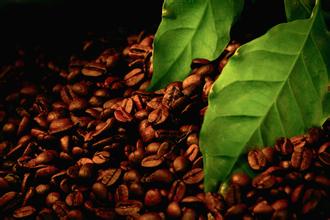
Flavor description of Honduran Coffee beans introduction to manors in producing areas
Taste description of Honduran Coffee beans: rbara), El Paraiso, Copan, La Paz, Comayagua and Olancho. The average planting height is more than 1100 meters above sea level. The variety of coffee is Arabica, and 69% belongs to HG high and low coffee.

Xuemai Manor single Bean production area introduces how to brew single beans in Xuemai Manor
For the exchange of professional baristas, please follow the coffee workshop (Wechat official account cafe_style) the following information is the Osher Cup Test report and the official website of CoE: country: Bolivia, Bolivia producing area: Yungas of La Paz Administrative Town: Yanacahi Award winning Manor: Agrotakesi SA Manor owner: Mauricio Ramiro Diez de Medina Rank: No.1

Variety, Brand recommendation and Manor of washed bourbon Coffee beans No. 1 in San Juan, Honduras
For the exchange of professional baristas, please follow the coffee workshop (Wechat official account cafe_style) in Honduras, coffee producing areas are divided into six major producing areas, spread over the west and south, namely Santa Barbara (Santa Barbara), Perry request (El Paraiso), Coban District (Copan), Bazi District (La Paz) and Gongmayagua District (Comayagua) and Olanqiu District (Olancho).